

Abdominal muscle separation is one of the most common changes women notice during pregnancy and in the months that follow, and it is also one of the most misunderstood. The shape of the abdomen changes, the middle of the stomach can feel soft or unsupported, and exercises that once felt straightforward may no longer seem to be doing anything useful.
Understanding what has actually changed, and how the abdominal wall works with the rest of the core, is the first step towards a recovery plan that makes sense. At The Elite Hub in Springfield, we see plenty of women who have been told they simply need to lose more weight or train harder. Often that advice misses the real issue. Abdominal separation is a structural change, and structural changes deserve an assessment rather than a guess.
What Is Abdominal Muscle Separation?
Abdominal separation is an increase in the distance between the abdominal muscles, caused by stretching of the connective tissue that joins them. That connective tissue is called the linea alba. When the left and right sides of the rectus abdominis, the large superficial muscle often referred to as the six-pack muscle, move further apart, the condition is known as diastasis recti.
Because the rectus abdominis runs from the sternum down to the pubic bone, a separation can occur at any point along that connective tissue line, not only at the level of the navel. That is one reason two women with the same diagnosis can look and feel quite different from one another.
The terminology you are likely to see
Different practitioners and websites use different names for the same change, which can make the topic feel more confusing than it needs to be. This quick reference covers the terms you are most likely to encounter.
| Term | What it refers to |
|---|---|
| Abdominal separation | The everyday term for a widening between the abdominal muscles caused by stretching of the connective tissue that joins them. |
| Diastasis recti | A separation of the connective tissue in the middle of the large abdominal muscles, the rectus abdominis. |
| DRA | Short for diastasis recti abdominis. |
| DRAM | Diastasis of the rectus abdominis muscle, a term used in some clinical settings. |
| DOR | Divarication of recti, another name for the same separation. |
| Linea alba | The connective tissue that joins the two sides of the abdominal muscles. |
Why it happens during pregnancy
Abdominal separation is a common occurrence during pregnancy, driven by changes to hormone levels combined with a growing and changing abdomen. It is a normal process rather than a sign that something has gone wrong, and it needs to happen to make room for a baby.
In many cases the gap narrows after birth. For others, the abdomen continues to feel weak or unsupported long after the postnatal period, and a side effect of giving birth can be abdominal muscles that remain separated and a core that feels less capable than before.
Why the Gap Is Only Part of the Picture
Physiotherapy sources often mention a gap of around two finger-widths when describing abdominal separation, and that number can be a useful reference point. It is not the whole story. A measurement on its own does not tell you how the abdominal wall is functioning, how the rest of the core is compensating, or why certain movements feel the way they do.
Women who search for answers online frequently describe the same pattern. The gap has not improved, the stomach still feels weak, exercises do not seem to work, or symptoms feel more noticeable than before. That frustration is a useful signal. It usually means the approach being used was not matched to what was actually happening in that body.

The Core Connection: Abdominal Wall and Pelvic Floor
The core is often described by postnatal practitioners as a system rather than a single muscle group, and the pelvic floor sits within that system. The abdominal wall, the pelvic floor and the way you breathe and manage pressure through your trunk all influence one another. When one part of the system is not contributing as it should, other parts may end up carrying more load than they were designed to manage.
That is why it makes little sense to treat a separation as an isolated stomach problem. A program built only around abdominal exercises, with no consideration of breathing, posture, lifting habits or pelvic floor function, can leave a woman working hard without the results she expected.
Pelvic floor symptoms deserve specific attention
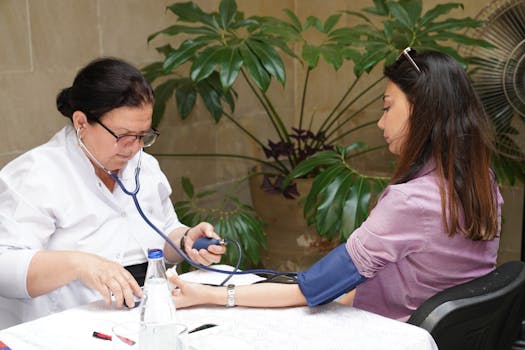
If you are noticing pelvic floor symptoms, the sensible step is to have them assessed by an appropriately qualified practitioner, such as a pelvic health physiotherapist. Physiotherapy for abdominal separation typically involves personalised assessment, guided exercises and safe recovery support after pregnancy. A clinician with that training can look at how your abdominal wall and pelvic floor are working together rather than examining one in isolation.
This article is general information, not a diagnosis, and it cannot tell you what is happening in your own body. A hands-on assessment can.
Why Some Recovery Advice Falls Short
There is no shortage of abdominal separation content available. Self-tests, short videos and quick fix programs that promise results in ten minutes a day are easy to find. Some of that advice is genuinely helpful. Much of it lacks context, because it was written for a general audience rather than for your specific presentation.
A few things tend to get lost:
- Separation can occur anywhere along the midline, so the same exercise is not appropriate for everyone.
- The gap measurement changes over time and can respond differently to different types of loading.
- Abdominal changes after pregnancy rarely come down to one factor alone.
- Breathing, posture, lifting and daily habits all influence how the core behaves.
- Pelvic floor function is part of the same system and is often overlooked.
When advice is generic, it is unsurprising that progress stalls. The answer is not necessarily more effort. It is usually better information about what your body is doing.

What Assessment at The Elite Hub Involves
The Elite Hub is a science-based wellness, body transformation and performance clinic in Springfield, Queensland, serving Springfield and the surrounding Greater Springfield area. Our philosophy is simple: we do not guess, we test. Rather than applying a one-size-fits-all protocol, we begin with an individual assessment to better understand what may be contributing to your concern before recommending a personalised treatment strategy.
A major area of specialisation for us is Mummy Tummy and post-pregnancy abdominal changes. Many women describe persistent changes to their abdomen after pregnancy as a Mummy Tummy, and those changes are not necessarily caused by abdominal fat alone. They may involve a combination of stubborn fat, loose or stretched skin, abdominal muscle separation, reduced core function and other post-pregnancy changes.
The Mummy Tummy Rescue Plan™ begins with an individual assessment. Depending on what the assessment finds, a personalised program may incorporate appropriate non-invasive body-contouring technologies, muscle activation and strengthening approaches, skin-focused treatments, recovery strategies and ongoing reassessment.
Why we start with testing
Our goal is to help women understand why their abdomen may not have responded as expected to weight loss, diet or exercise, rather than assuming they need to lose more weight. The Elite Hub is led by Dr Os Cooley, PhD in Anti-Aging, who has a strong interest in human performance, body composition, recovery and evidence-informed personalised care.
If you have been working hard on your core with little to show for it, that is worth investigating rather than pushing through. Reassessment along the way matters too, because a plan that suited you three months ago may need adjusting now.
Bringing It Back to the Whole Core
Abdominal muscle separation is common, it is normal during pregnancy, and it is frequently more complex than a single measurement suggests. The abdominal wall and the pelvic floor are part of the same working system, which is why a narrow focus on crunches or on the number on the scales so often disappoints.
If your abdomen still feels weak, if your gap has not changed, or if exercise is not producing the response you expected, the most useful next step is an assessment that looks at the whole picture. Specific guidance for your body will always beat general advice from the internet.
Frequently Asked Questions
What is abdominal muscle separation?
Abdominal separation is an increase in the distance between the abdominal muscles, caused by stretching of the connective tissue called the linea alba that joins them. It is also known as diastasis recti, diastasis recti abdominis or DRAM. Because the muscle runs from the sternum to the pubic bone, a separation can occur at any point along that line.
Is abdominal separation normal during pregnancy?
Yes. It is a completely normal process that occurs during pregnancy, driven by changes to hormone levels along with a growing and changing abdomen. In fact, it needs to happen so there is room for your baby to grow. The question for most women is not whether it happens, but how the abdomen recovers afterwards.
Why do my core exercises seem to make no difference?
Many women report that the gap has not improved, the stomach still feels weak, or exercises do not seem to work. Often this happens when general advice, including quick fix programs, is applied without an assessment. Separation can occur at different points along the midline, so the same exercises do not suit everyone.
Can separation happen above or below the navel?
It can. The rectus abdominis runs from the sternum down to the pubic bone, and the connective tissue between the two sides extends along that whole path. A separation may therefore appear at different points along the midline, which is one reason two people with the same diagnosis can have quite different experiences.
Does abdominal separation mean I just need to lose weight?
Not necessarily, and that assumption is worth questioning. Persistent abdominal changes after pregnancy may involve a combination of stubborn fat, loose or stretched skin, abdominal muscle separation, reduced core function and other post-pregnancy changes. Assessment helps identify what is actually contributing in your case before any treatment strategy is recommended.
If you are unsure what is driving the changes you see, book an assessment at The Elite Hub in Springfield and get information based on your body rather than someone else’s program.
