

Shapewear is one of the most common purchases women make after pregnancy. It promises a smoother line under clothing, a flatter tummy and a bit of extra confidence in the first few months postpartum and long after. But a lot of women reach a point where the shapewear is doing more work than they expected, and the shape underneath has not changed at all.
That gap between what shapewear does and what a mummy tummy actually involves is worth understanding before you buy another pair of high-waisted shorts. Compression can be genuinely useful. It can also mask a problem that responds well to assessment and targeted treatment, and wearing it constantly can hide the signals your body is sending you.
What “mummy tummy” usually involves
Persistent abdominal changes after pregnancy are rarely about one thing. Women who describe a mummy tummy are often dealing with a combination of stubborn fat that has not shifted with diet or exercise, loose or stretched skin, abdominal muscle separation (diastasis recti), reduced core function and other post-pregnancy changes.
Each of those contributors behaves differently. Fat responds to metabolic and body composition strategy. Loose skin responds to skin-focused treatment. Muscle separation and reduced core function respond to muscle activation and strengthening. A compression garment sits over the top of all of them and changes none of them, which is why shapewear often feels like it solves the problem for a few hours and then does not.
What shapewear can do well
Shapewear is clothing, not treatment, and it performs best when it is treated that way. Used for an occasion, a workday, a wedding or an outfit that needs a clean line, compression garments do a reliable job of smoothing the silhouette under clothing.
- Create a smoother line under fitted dresses, high-waisted jeans and workwear
- Reduce visible movement of soft tissue under thin fabrics
- Provide a temporary sense of support around the midsection, which many women find reassuring in social situations
- Offer an immediate, low-commitment option while you decide what else you want to do about your abdomen
Retailer guides tend to agree on the basics. Tummy control styles generally mean high-waisted shapewear shorts, firm control briefs or bodysuits that smooth both the upper and lower belly, and editorial roundups across brands such as Miraclesuit, Honeylove, Skims, Spanx and Leonisa repeat the same message: the fit of the garment matters more than the label on it.
What shapewear cannot do
No garment can strengthen a muscle, close a separation, tighten loose skin or change body composition. Compression moves soft tissue temporarily. Once it comes off, the tissue returns to where it was.
This matters because many women interpret the smoothed version of themselves in the mirror as evidence that the underlying issue is small or easily fixed by more compression. A garment that produces a flat line over a separated abdominal wall is not evidence that the wall is functioning well. It is evidence that the fabric is firm.

Which shapewear style suits which concern
Most shapewear falls into a handful of categories, and the right one depends on what you are trying to smooth and where you are wearing it. The table below compares common options.
| Style | Area it smooths | Typically chosen for | Practical considerations |
|---|---|---|---|
| High-waisted shaping shorts | Upper and lower belly, hips, upper thigh | Everyday wear under dresses and skirts | Waistbands can roll if the length is wrong for your torso |
| Firm control shaping briefs | Tummy and waist | Under high-waisted jeans and trousers | Simple to wear, less coverage through the thigh |
| Shaping bodysuit | Full torso | Fitted clothing where a continuous line matters | Less convenient for bathroom breaks, sizing is less forgiving |
| Full-leg body shaper | Tummy through to mid-thigh | Fitted trousers and occasion wear | Warmer to wear, check leg openings for digging |
| Shaper panties | Light smoothing over the tummy | Everyday, all-day wear | Minimal compression, best for subtle smoothing |
| Waist cinchers | Waistline | Short outings and specific outfits | Often the firmest option, so comfort is the limiting factor |
Brands and stock change constantly, so check current retailer product information and sizing charts rather than relying on any single review.
How to choose a size that will not fight you
Sizing is where most shapewear purchases go wrong. Buying down a size to get more compression usually produces the opposite of a smooth line, because the garment bunches, rolls and creates new edges under clothing.
- Follow the brand’s own size chart and measure rather than guessing from your usual clothing size.
- Check the size against your current measurements, not your pre-pregnancy numbers.
- Look for a garment that stays in place when you sit, stand and bend, not one that only looks right standing still.
- Try it on under the outfit you plan to wear, since different fabrics show seams and edges differently.
- Prioritise breathable fabrics and flat seams if you plan to wear it for long stretches.

When shapewear may hinder rather than help
Shapewear becomes a problem when it stops being an outfit choice and starts being a daily requirement. A few patterns are worth noticing.
- You cannot leave the house without it, even for a quick errand, and the thought of going without causes real distress.
- You wear it for long, hot days and experience discomfort, restricted breathing or skin irritation around seams and edges.
- You keep buying firmer garments because the previous level of compression has stopped producing the same result.
- You are using shapewear to avoid looking at or thinking about an abdominal change that you suspect needs attention.
- You assume that once the shapewear comes off, a stricter diet or more cardio is the only remaining answer.
That last point is the one that matters most clinically. Many women come to an assessment having spent years assuming their abdomen has not responded to diet and exercise because they have not tried hard enough. Often the reason is that the main contributor was never fat in the first place.
Signs it may be worth getting assessed
Shapewear is not the right tool for everything, and some abdominal changes deserve a proper look. Consider an assessment if any of the following sound familiar.
- Your abdomen still looks pregnant months or years after delivery despite weight loss
- You notice a visible ridge or gap down the centre of your abdomen when you engage your core
- Your core feels weak, unstable or difficult to connect with during exercise
- Your tummy has not changed despite consistent training and dietary effort
- You have loose or crepey skin over the abdomen that compression only hides
- You want to know which contributor is dominant before spending more money on products or programs
The assessment-first approach
At The Elite Hub, a science-based wellness, body transformation and performance clinic in Springfield, Queensland, the starting point is measurement rather than assumption. The clinic’s philosophy is simple: we do not guess, we test. For a mummy tummy concern, that means understanding what is actually contributing before recommending anything.
The Mummy Tummy Rescue Plan™ begins with an individual assessment. Depending on the findings, a personalised program may combine appropriate non-invasive body-contouring technologies, muscle activation and strengthening approaches, skin-focused treatments, recovery strategies and ongoing reassessment. The point is not to sell a single treatment to every woman, but to match the strategy to the actual contributors, whether that is stubborn fat, loose skin, abdominal muscle separation, reduced core function or a mix.
That assessment is also useful if you plan to keep wearing shapewear. Knowing which layer you are compressing helps you decide how much of your budget should go to garments and how much should go to addressing the cause. The Elite Hub serves Springfield and the surrounding Greater Springfield area, and the clinic is led by Dr Os Cooley, PhD in Anti-Aging, with a strong interest in body composition, recovery and evidence-informed personalised care.
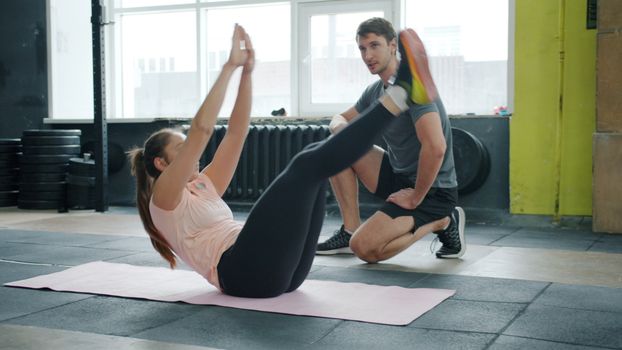
Practical ways to use shapewear sensibly
None of this means throwing your shapewear away. Used well, it is a useful piece of clothing with a clear and limited job.
- Keep it for occasions and outfits rather than as a default every day
- Give your skin and tissue regular breaks, particularly in warm weather
- Choose the lightest level of compression that achieves the line you want
- Replace garments when the elastic softens rather than sizing down to compensate
- Treat it as a companion to, not a substitute for, core rehabilitation and appropriate treatment
Shapewear helps with how your abdomen looks in clothes today. It does not change what your abdomen is made of, and it will not close a muscle separation or tighten loose skin. If your tummy has not responded to weight loss, diet or exercise the way you expected, the more useful question is why, and that question is answerable with an assessment rather than another pair of shorts.
Frequently Asked Questions
Does shapewear actually flatten your tummy?
It smooths the appearance of your tummy while you are wearing it by compressing soft tissue under clothing. The effect is temporary and disappears when the garment comes off. Shapewear does not reduce fat, tighten skin or change abdominal muscle separation, so it changes how your abdomen looks in an outfit rather than changing the abdomen itself.
Can shapewear help with diastasis recti?
Shapewear can provide a sense of support and create a smoother line over a separated abdominal wall, but it does not close the separation or improve muscle function. Abdominal separation is a muscle and connective tissue issue, which is why assessment and a targeted strengthening approach are more appropriate than relying on compression garments alone.
How long can I wear shapewear each day?
There is no single rule that suits everyone, and tolerance varies with the garment, the weather and your activity level. A sensible approach is to wear the lightest compression that achieves the result you want, take regular breaks, and stop wearing anything that causes pain, restricted breathing, numbness or skin irritation.
Why has my tummy not changed despite diet and exercise?
Because fat may not be the main contributor. A mummy tummy can involve stretched skin, abdominal muscle separation, reduced core function and other post-pregnancy changes that diet and general exercise do not directly address. An assessment helps identify which factors are dominant so effort goes into the strategy most likely to work.
Should I buy shapewear before or after an assessment?
Either order works, but an assessment gives you better information for the decision. Understanding whether your concern is mainly fat, skin, muscle separation or core function helps you judge how much of your budget belongs in garments and how much belongs in treatment. Shapewear remains a reasonable short-term option in the meantime.
