

Most women expect their body to change during pregnancy. Fewer expect the changes to still be there months later, long after the newborn phase has settled into some kind of rhythm. If your abdomen looks softer, sits differently or simply does not respond to the gym the way it used to, that experience is common. It also has a name, and it has reasons behind it. Learning what is actually happening under the surface is the difference between another round of random crunches and a plan that makes sense.
What a mummy tummy actually involves
Following pregnancy and childbirth, it is normal for changes to occur in the abdominal area. Those changes can involve the muscles, the skin and the fat layer at the same time. The term mummy tummy is also used alongside mum tum, mum belly and mum tum overhang, and it usually describes a soft, bulging or loose area around the middle that does not shift with general weight loss.
The emotional side matters too. A changed abdomen can affect confidence, clothing choices and willingness to take part in sport or swimming. That is a real part of the picture, not a vanity issue, and it deserves a practical response rather than a lecture about doing more sit-ups.
| What may be contributing | Why it matters if you want to tone mummy tummy |
|---|---|
| Stubborn fat | Fat reduction is generally approached with a combination of a healthy diet and regular exercise, so it moves slowly rather than in response to a single tactic. |
| Loose or stretched skin | The skin around the abdomen stretches during pregnancy to allow space for the baby to grow, and stretched skin does not always tighten on its own afterwards. |
| Abdominal muscle separation | The growing fetus pushes the abdominal muscles apart, and the separation often stays open after birth, which changes how the midsection looks and functions. |
| Reduced core function | When the core is weaker, the abdomen can sit differently and feel less supported, so rebuilding strength is part of the work. |
Why more crunches is rarely the answer
Traditional ab training assumes the muscles are lined up and ready to load. After pregnancy that assumption is not always safe. If the abdominal muscles are still separated, adding repeated flexion under load can work against you rather than for you. Weakened core, back, pelvic and hip function tends to change the whole strategy, which is why a generic workout plan from social media is such a blunt instrument.
A better starting point is understanding which of the contributors above applies to you, and in what proportion. That is a different question from how many kilograms you weigh.
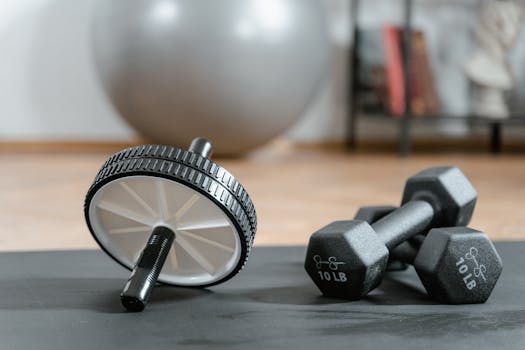
Diastasis recti and why it changes your approach
Diastasis recti is the technical term for abdominal muscle separation. The growing fetus pushes the abdominal muscles apart and the separation often remains open after delivery. Reporting on the condition has highlighted that targeted daily core exercise, often built around roughly ten minutes a day, can produce meaningful improvement for many women. That is encouraging, but it is not the same as saying any core workout will do.
Some practitioners also promote breathing-based approaches such as the hypopressive method, with claims that it improves core tone. Claims like these are worth discussing with a qualified practitioner who can assess you in person, rather than adopting on the strength of a video alone.
Exercises often used to support core recovery
Commonly recommended mum tum exercises include pelvic tilts, planks, leg raises and bicycle crunches, with mountain climbers frequently added. These are not a universal prescription. Suitability depends on whether separation is present, how the pelvic floor is functioning and how much load your body is currently tolerating. The order and the progression usually matter more than the exercise names.
- Start with breathing and pelvic floor coordination before adding load.
- Use pelvic tilts as a gentle way to reconnect with the deep abdominal wall.
- Build toward plank-based and leg raise patterns only when control is consistent.
- Treat bicycle crunches and mountain climbers as higher-demand options, not beginner defaults.
- Stop and seek advice if you notice doming, coning or discomfort through the midline.
Consistency with a small amount of correct work tends to beat occasional heroic sessions. Ten focused minutes most days is a realistic commitment for most new mothers.
Nutrition and daily habits that support the process
Diet cannot spot-reduce abdominal fat, but it does set the conditions for change. A balanced intake built around lean protein, fruit, vegetables and whole grains supports recovery and training capacity. Practical tips that come up repeatedly include increasing water intake and making sure you are eating enough overall. Under-eating is a common trap for women trying to shift post-pregnancy weight, because it undermines the very tissue repair and muscle building you are trying to promote.
Resistance training and higher-intensity interval work appear in most credible lists of tummy-toning habits. So does self-care for the tissue itself. Gentle massage of the abdomen is sometimes used to help release stuck tissue and mobilise fluid, and it also gives you a chance to notice how the area actually feels.

Where professional assessment fits in
Exercise and nutrition are the foundation, but some contributors do not resolve with lifestyle work alone. Loose or stretched skin, stubborn fat that has plateaued, and a separation that has not responded to training are situations where a structured assessment adds value. This is the logic behind the Mummy Tummy Rescue Plan at The Elite Hub, a science-based wellness, body transformation and performance clinic in Springfield, Queensland, serving Springfield and the surrounding Greater Springfield area.
The clinic’s philosophy is simple: we don’t guess, we test. An individual assessment looks at what may be contributing to your abdomen before any recommendation is made. Depending on the findings, a personalised program may incorporate appropriate non-invasive body-contouring technologies, muscle activation and strengthening approaches, skin-focused treatments, recovery strategies and ongoing reassessment. The goal is to understand why your abdomen has not responded as expected to diet, exercise or weight loss, rather than assuming the only answer is to lose more weight.
Setting realistic expectations
There is no single timeline for toning a mummy tummy, because the contributors differ from person to person and the tissue involved responds at its own pace. Skin that stretched over nine months is not rebuilt in a fortnight, and muscle separation usually responds to graded work over weeks and months rather than days. Anyone promising a fixed result by a fixed date is guessing.
What you can reasonably expect is this. A properly assessed plan tells you which levers are worth pulling for your body. Progress becomes measurable through reassessment rather than through mood or mirror checks. And the process stops being a frustrating cycle of starting over.

Getting assessed in Springfield
The Elite Hub is led by Dr Os Cooley, PhD in Anti-Aging, with a strong interest in human performance, body composition, recovery and evidence-informed personalised care. Women in Springfield and Greater Springfield can book an assessment to find out what is actually driving their abdominal changes before committing to any treatment path. If you have been doing the work and seeing nothing move, that is a signal to investigate rather than to try harder at the same thing.
Frequently Asked Questions
Does a mummy tummy go away on its own?
Sometimes it improves, sometimes it does not. Muscle separation often stays open after birth, and stretched skin does not always tighten by itself. Fat in the abdominal area generally responds to a combination of healthy eating and regular exercise rather than time alone. Because the contributing factors vary, an individual assessment is the most reliable way to know what applies to you.
How long does it take to tone a mummy tummy?
There is no universal timeline. It depends on whether fat, skin, muscle separation or core function is the main contributor, and on how consistently you follow a plan. Programs built around roughly ten minutes of daily core work have been reported to help with separation, but progress is usually measured over weeks and months, not days.
Can exercise alone fix abdominal muscle separation?
Targeted core exercise is a reasonable first step and has been reported to help many women. It is not guaranteed to resolve every case, and the wrong exercises can make symptoms worse. A plan that starts with breathing, pelvic floor coordination and graded loading, then progresses only when control is good, is generally safer than jumping straight into intense ab work.
Is a mummy tummy just stubborn fat?
No. Abdominal changes after pregnancy commonly involve a mix of stubborn fat, loose or stretched skin, abdominal muscle separation and reduced core function. That is why weight loss alone often disappoints. Understanding which combination is present in your case is what allows a personalised strategy, including non-invasive body-contouring options where appropriate.
Toning a mummy tummy after pregnancy is not about punishing your body back into shape. It is about identifying what changed, addressing the contributors that respond to training and nutrition, and getting proper input on the ones that do not. Start with honest assessment, build from there, and measure progress instead of guessing at it.
