

Pregnancy reshapes a body across nine months, and the changes do not stop at birth. Some are obvious, like a belly that still looks pregnant several weeks later. Others are quieter, such as altered abdominal muscle function, stretched skin, or a core that simply does not feel like it used to. For women across Springfield and the wider Greater Springfield area, the frustration is rarely about effort. Many have already returned to training, adjusted their diet and watched their weight drop, only to find their midsection has not followed.
At The Elite Hub, a science-based wellness, body transformation and performance clinic located in Springfield, Queensland, this pattern comes up constantly. Our approach begins with one principle: We Don’t Guess. We Test. That means understanding what is actually contributing to a concern before recommending anything at all.
What Actually Changes After Pregnancy
The first weeks after birth bring a mix of physical and emotional shifts. The March of Dimes notes that some changes are physical, such as breasts filling with milk, while others are emotional, including feeling extra stress. Broader overviews of postpartum changes flag things many women are never warned about: weight gained during pregnancy, larger breasts, swollen ankles after long periods on your feet, and a heavy shedding phase for hair.
What matters most is that not every post-pregnancy change is fat related, and that distinction shapes everything that follows.
Abdominal muscles and separation
Clinicians report that for many women, one of the most noticeable changes after childbirth involves the abdominal muscles. Everyone is different, but some degree of separation between the two halves of the rectus abdominis, known as diastasis recti, is common. When that separation persists, the abdomen can look softer or more rounded even when body fat is low, and core strength can feel noticeably reduced.
Skin, stretch marks and body shape
Skin takes time to retract, and results vary widely between individuals. Stretch marks may fade over time without disappearing completely, and some women notice wider hips or a changed ribcage position. One review of post-pregnancy recovery points out that while it took nine months to grow a baby, research suggests it takes at least 18 months for most women to fully recover, and some changes may be lasting.
Body image and mental load
Australian health guidance is clear that there is no single right way for a post-baby body to look, and that every body heals and changes differently. If comparing yourself with postpartum photos online is making you feel worse, stepping back from social media is a reasonable and often helpful move.
Why the Scales Do Not Always Tell the Story
Weight loss and body shape are related, but they are not the same thing. A woman can be back at her pre-pregnancy weight and still see a rounded abdomen, a softer waistline or a midsection that does not respond to training the way it once did. That is because the abdomen after pregnancy may involve a combination of stubborn fat, loose or stretched skin, abdominal muscle separation, reduced core function and other post-pregnancy changes.
This is why a persistent post-pregnancy abdomen is often described as a Mummy Tummy. The term is a description, not a diagnosis, and it should not be treated as a single problem with a single solution. Assuming the answer is simply to lose more weight can send women down a path that produces frustration rather than progress.

What Non-Invasive Body Contouring Actually Involves
Non-invasive means no surgery, no incisions and no general anaesthetic. These approaches are generally delivered in a clinic setting with little to no downtime, and they are usually aimed at the tissue rather than the whole body. Results build gradually, and they depend heavily on whether the right option has been matched to the right problem.
In post-pregnancy care, the broad categories of support include:
- Body-contouring technologies directed at stubborn fat or tissue laxity
- Muscle activation and strengthening approaches aimed at restoring core function
- Skin-focused treatments that address texture, laxity or scarring
- Recovery strategies that support sleep, stress and healing
- Ongoing reassessment, because a postpartum body changes month to month
Which of these applies to you is the real question. An approach that suits one woman’s abdomen may be a poor starting point for another, particularly if muscle separation is the dominant issue rather than fat.
The Mummy Tummy Rescue Plan Approach at The Elite Hub
Our specialisation in Mummy Tummy and post-pregnancy abdominal changes comes from a straightforward observation. Most women who are unhappy with their abdomen after pregnancy have been told to lose more weight, when the actual driver is something else entirely. The Elite Hub is led by Dr Os Cooley, who holds a PhD in Anti-Aging and a strong interest in human performance, body composition, recovery and evidence-informed personalised care.
Step one is assessment
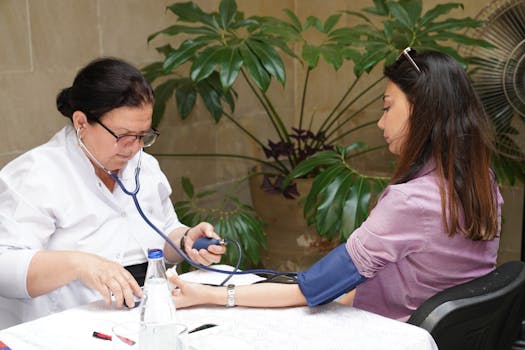
The Mummy Tummy Rescue Plan begins with an individual assessment. We look at what may be contributing to the concern, which is not necessarily abdominal fat alone. Findings can point to several overlapping factors, including stubborn fat, loose or stretched skin, abdominal muscle separation, reduced core function and other post-pregnancy changes.
Step two is a personalised program
Depending on what the assessment shows, a program may incorporate appropriate non-invasive body-contouring technologies, muscle activation and strengthening approaches, skin-focused treatments, recovery strategies and ongoing reassessment. No two programs look the same, which is deliberate rather than incidental.
Step three is reassessment
Postpartum recovery does not move in a straight line. Sleep, feeding demands, stress and hormonal shifts all influence how a body responds. Regular reassessment means the plan adapts to what is actually happening rather than repeating a fixed protocol on the assumption that it must eventually work.

Why Local Assessment Matters in Greater Springfield
Greater Springfield is a large and growing area, and travelling into Brisbane for every appointment adds time, fuel and logistical strain to a schedule that already revolves around a newborn. A local clinic that assesses, treats and reassesses in one place makes consistency easier, and consistency matters when progress depends on a sequence of sessions rather than a single visit.
It also helps to work with a team that understands the difference between stubborn fat, skin laxity and muscle separation, because the conversation you have in the first appointment often determines whether the next twelve months feel productive or pointless.
What to Ask Before You Book Anywhere
A short set of questions will tell you a great deal about how a clinic operates. Consider asking:
- Will you assess me before recommending any treatment, and what does that assessment involve?
- Do you consider muscle separation and core function, or only body fat?
- How will we measure whether the plan is working?
- Are there reasons a particular treatment would not be suitable for me?
- What happens if we reassess and the plan is not delivering?
Clear answers to these questions are a reasonable indicator of a considered approach. Vague ones are useful information too.
Setting Realistic Expectations
It helps to keep the timeline in perspective. If full recovery can take at least 18 months for many women, expecting a transformed abdomen within a few weeks of giving birth sets up a disappointment that has nothing to do with how hard you are trying. Progress is often best measured in function and shape as well as centimetres: how your core feels when you lift your child, how clothing sits, how your abdomen looks from the side.
Some changes after pregnancy may be lasting, and no non-invasive option reverses everything. What a well-structured plan can do is identify which factors are driving your concern and address the ones that are actually treatable, rather than asking you to keep chasing a number on the scales.
Frequently Asked Questions
How long does post-pregnancy body transformation usually take?
There is no fixed timeline, because every body heals differently. One review of recovery notes that while pregnancy lasts nine months, research suggests it takes at least 18 months for most women to recover fully, and some changes may remain. Assessment and reassessment help you track what is genuinely changing rather than relying on a generic schedule.
Can non-invasive body contouring fix diastasis recti?
Muscle separation is not a fat problem, so fat-reduction technologies are not the answer on their own. Separation is generally addressed through proper assessment and targeted muscle activation and strengthening work. A combined approach that also considers skin, stubborn fat and core function tends to make more sense than treating any single factor in isolation.
Do I need to lose weight before considering body contouring?
Not necessarily, and this is exactly why assessment comes first. A persistent abdomen after pregnancy is not always caused by abdominal fat alone. It may involve loose or stretched skin, muscle separation, reduced core function and other changes. Assuming weight loss is the required first step can delay the right approach entirely.
Is it too late to start if my baby is already a toddler?
Post-pregnancy abdominal changes do not expire on a schedule, and there is no cut-off point at which assessment stops being useful. What changes over time is the mix of factors involved. An individual assessment is the sensible way to find out what is contributing in your case before committing to any plan.
What else does The Elite Hub help with?
Beyond Mummy Tummy assessment and post-pregnancy body contouring, The Elite Hub provides services relating to cellulite, stubborn fat, skin laxity, chronic pain, recovery, metabolic health, VO₂ Max testing, fitness and physical performance. The common thread is a testing-first approach, so recommendations are based on findings rather than assumptions about what usually works.
