

Searching for a tummy tuck without surgery usually means one thing. You want a flatter, firmer abdomen, but you would rather avoid an operation, a general anaesthetic and a long recovery. That is a reasonable goal, and it is one that gets oversold constantly. No non-surgical treatment does everything abdominoplasty does, and any clinic promising otherwise is not being straight with you. What does exist is a group of non-surgical options that can produce meaningful change for the right person, provided the treatment matches the actual cause of the problem.
That last point is where most people get stuck. A tummy that will not flatten is not one single condition. It can be stubborn fat, loose or stretched skin, separated abdominal muscles, reduced core function, or a combination of several of these. Each responds to different approaches, which is why guessing wastes time and money.
What “Tummy Tuck Without Surgery” Actually Means
The phrase describes a goal rather than one procedure. Published roundups of non-surgical tummy tuck alternatives commonly list treatments such as ThermiTight, CoolSculpting, EmSculpt and Renuvion. Others also include liposuction and the mini tummy tuck in the same conversation, which is worth noticing, because liposuction is a surgical procedure and a mini tummy tuck is still surgery, just a less invasive form than a full tummy tuck. What you are really comparing is a spectrum that runs from fully non-invasive treatments through to surgical reshaping.
| Option sometimes grouped with tummy tuck alternatives | What the published roundups say |
|---|---|
| CoolSculpting | Listed among non-surgical options suited to small to moderate amounts of stubborn fat |
| SculpSure | Listed among non-surgical options suited to small to moderate amounts of stubborn fat |
| ThermiTight | Appears in lists of top non-surgical tummy tuck alternatives |
| EmSculpt | Appears in lists of top non-surgical tummy tuck alternatives |
| Renuvion | Appears in lists of top non-surgical tummy tuck alternatives |
| Liposuction | Sometimes grouped with the alternatives, though it is itself a surgical procedure |
| Mini tummy tuck | Less invasive than a full tummy tuck, but still a surgical procedure |
Treatment availability, suitability and technique vary between providers, so confirm the specifics directly with the clinic you are considering before you commit to anything.
What Abdominoplasty Does That Non-Surgical Treatments Cannot
Abdominoplasty, commonly called a tummy tuck or abdominal reshaping, aims to remove skin and fat from the middle and lower abdomen. The muscles of the abdominal wall may also be surgically tightened during the procedure, which can improve the abdomen’s function as well as the long term outcome. It is typically considered in cases where fat, skin and muscles have not been improved by diet and exercise.
That combination is the part non-surgical treatments generally cannot replicate. Non-surgical options typically deliver more subtle and less permanent results. So if your main concern is a modest pocket of fat sitting on an otherwise reasonable abdominal wall, a non-surgical route may genuinely be worth exploring. If your concern is a significant apron of loose skin, or muscles that no longer sit close together, no amount of external treatment will remove skin or bring those muscles back together. Understanding which camp you are in changes everything about what will actually work. A no-drain approach to abdominoplasty also exists, which is a modern variation that eliminates the need for post-surgical drains, though that remains a surgical decision made with a surgeon.
Why Your Abdomen May Not Have Responded to Diet and Exercise
Many people assume they simply need to lose more weight. Often that is not the issue at all. In many women, pregnancy can cause the muscles and skin to stretch so much that they do not return to normal, especially after a caesarean section. In older people, loss of skin elasticity, which is a normal result of ageing, along with loss of muscle tone, can contribute to similar changes.
There is also the matter of how the abdominal wall functions, not just how it looks. When the deep core muscles are not doing their share of the work, the abdomen can sit forward and appear more prominent regardless of body fat. This is one of the reasons a person can lose weight, train consistently and still feel like their stomach has not changed. It is a structural and functional picture, not purely a fat picture, and it deserves to be assessed that way.
Non-Surgical Options and Stubborn Fat
Non-surgical options such as CoolSculpting and SculpSure are generally described as suitable for people with small to moderate amounts of stubborn fat. That word stubborn is doing a lot of work. It means fat that has hung around despite reasonable diet and exercise habits, not a large volume of fat that would respond to broader lifestyle change.
Where these treatments tend to disappoint is when fat is not the main problem. If loose skin is the dominant feature, reducing the fat beneath it can sometimes make laxity look more obvious rather than less. If muscle separation is the dominant feature, the abdomen can still protrude after treatment because the underlying structure has not changed. This is why a treatment plan built on assumption rather than assessment so often leads to frustration.
Muscle Separation and the Mummy Tummy Picture
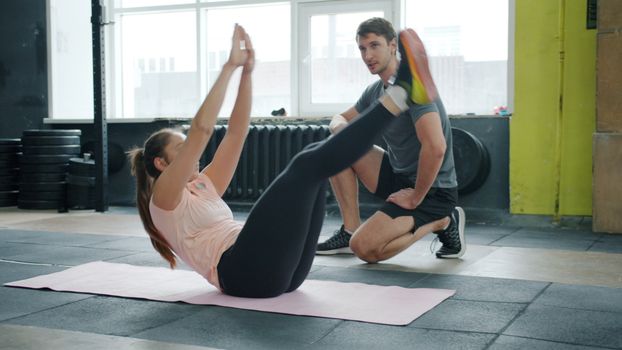
Many women describe persistent changes to their abdomen after pregnancy as a mummy tummy. These changes are not necessarily caused by abdominal fat alone. They may involve a combination of stubborn fat, loose or stretched skin, abdominal muscle separation known as diastasis recti, reduced core function and other post-pregnancy changes. Each of those components behaves differently and responds to different strategies.
This is also why comparing yourself to someone else’s result is rarely useful. Two women can look similar in the mirror and have completely different underlying reasons for it. One may need fat reduction, another may need muscle activation and strengthening work, and another may need skin-focused treatment. Some may need a combination, and some may be better served by a surgical opinion. A proper assessment is what separates a sensible plan from a hopeful guess.
Why Assessment Comes Before Treatment at The Elite Hub
The Elite Hub is a science-based wellness, body transformation and performance clinic in Springfield, Queensland, serving Springfield and the surrounding Greater Springfield area. Our philosophy is simple, and it shapes every plan we build: We Don’t Guess. We Test. Rather than applying a one-size-fits-all protocol, we begin with an individual assessment to better understand what may be contributing to your concern before recommending a personalised treatment strategy.
A major area of specialisation for us is mummy tummy and post-pregnancy abdominal changes. Our Mummy Tummy Rescue Plan begins with that individual assessment. Depending on the findings, a personalised program may incorporate appropriate non-invasive body contouring technologies, muscle activation and strengthening approaches, skin-focused treatments, recovery strategies and ongoing reassessment. The aim is to help women understand why their abdomen may not have responded as expected to weight loss, diet or exercise, rather than simply assuming they need to lose more weight.
The clinic is led by Dr Os Cooley, who holds a PhD in Anti-Aging, with a strong interest in human performance, body composition, recovery and evidence-informed personalised care. The Elite Hub also provides services relating to cellulite, body contouring, stubborn fat, skin laxity, chronic pain, recovery, metabolic health, VO₂ Max testing, fitness and physical performance.

Questions Worth Asking Any Provider
Before you book anything, ask direct questions. The answers tell you whether the provider is assessing you or just selling you a treatment.
- What exactly do you think is causing my abdomen to look the way it does?
- How did you reach that conclusion, and what testing or assessment supports it?
- Is the issue fat, skin, muscle separation, core function, or a combination?
- What result is realistic for me, and how subtle or long lasting is it likely to be?
- What would you recommend if I did nothing at all?
- Would a surgical opinion be more appropriate for my situation?
Frequently Asked Questions
Is there a genuine tummy tuck without surgery?
There is no non-surgical treatment that removes skin or repositions separated abdominal muscles the way abdominoplasty can. Non-surgical options exist and can help with small to moderate stubborn fat, but published sources note they typically deliver more subtle and less permanent results. Think of them as a different category of treatment with a different set of limits, not as surgery in disguise.
Who tends to be a good candidate for non-surgical body contouring?
Non-surgical options such as CoolSculpting and SculpSure are generally described as suited to people with small to moderate amounts of stubborn fat. If your abdomen is close to where you want it, with one or two pockets that have resisted diet and exercise, that profile fits the typical description. If loose skin or muscle separation dominates, results are usually far less satisfying.
Can non-surgical treatments repair separated abdominal muscles?
Surgically tightening the abdominal wall muscles is a feature of abdominoplasty, which is why surgery remains an option when fat, skin and muscles have not improved with diet and exercise. Muscle activation and strengthening work can support core function, but that is a different objective from surgically bringing the muscles back together. A proper assessment helps clarify which situation you are dealing with.
How long do non-surgical results last?
Published comparisons describe non-surgical outcomes as generally less permanent than surgical ones. That does not make them worthless, but it does mean maintenance and realistic expectations matter. Your own result depends on the treatment used, the cause being addressed and your ongoing habits. Ask the provider you are considering what they expect in your specific case rather than relying on general figures.
How do I know which option suits me?
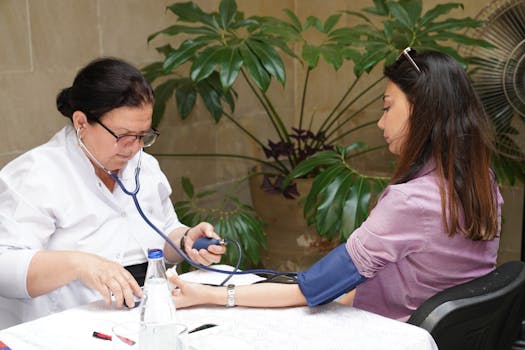
You find out by being assessed rather than by comparing price lists. The abdomen can look similar for very different reasons, including stubborn fat, loose skin, muscle separation and reduced core function. A provider who measures and tests before recommending treatment will give you a far more useful answer than one who offers the same package to everyone.
